
A 1939 statue with a wartime story
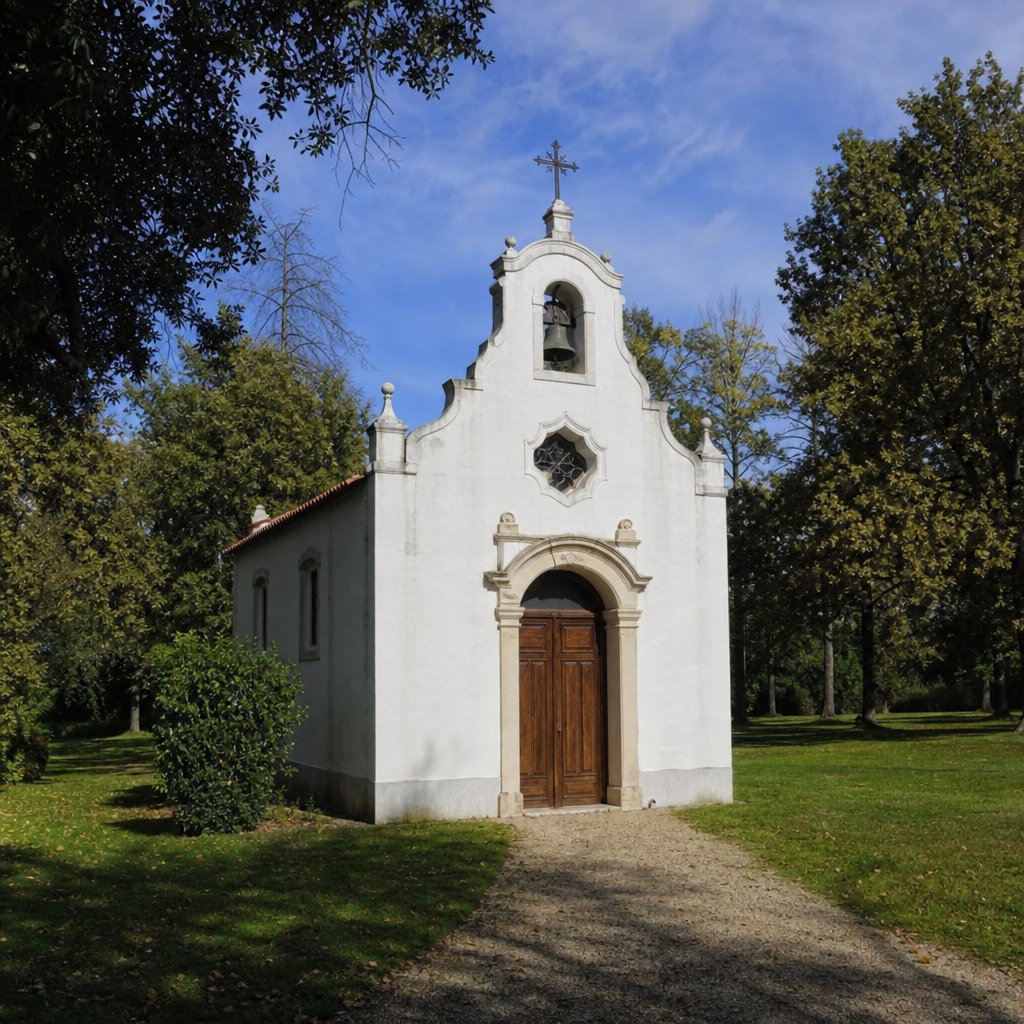
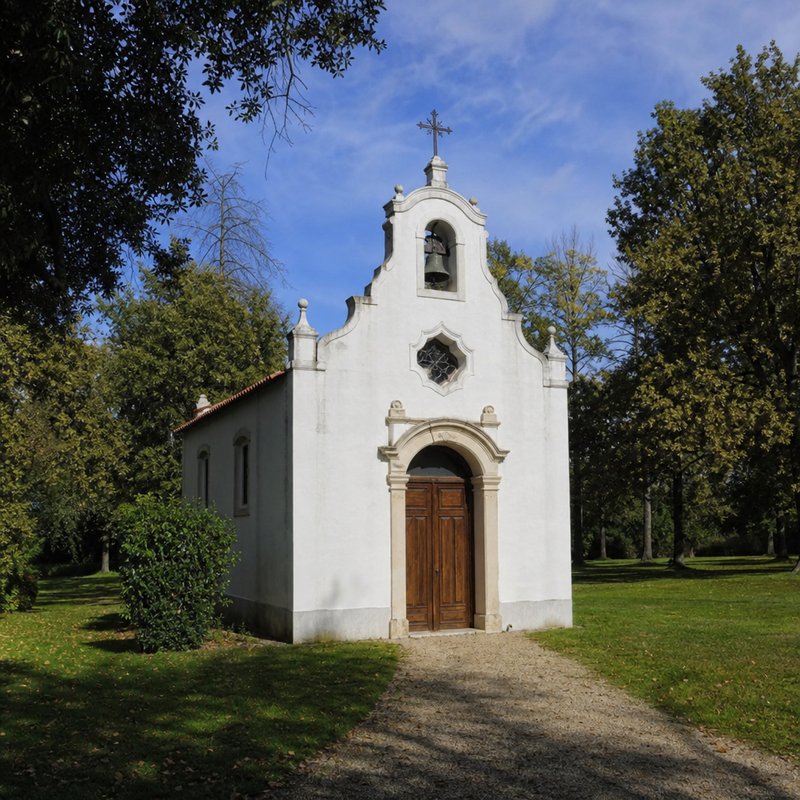
Ermita del Santísimo Cristo de la Salud
A roadside shrine that grew into a Baroque hermitage, lost its original devotional statue to the Spanish Civil War, and rebuilt it from photographs: a real, documented history, not a polished legend.
From roadside shrine to Baroque hermitage
The site's origin traces to a humilladero (a wayside shrine or cross) beside the old Camino Real de Toledo, first known as the Ermita de la Sangre de Cristo or "Vera Cruz." Its confraternity, the Cofradía de la Vera Cruz, already existed by 1650, when the Archbishop of Toledo approved its ordinances. The Cofradía del Santísimo Cristo de la Salud that gives the hermitage its current name formally constituted itself on 2 May 1721, and that milestone prompted a real building campaign: reforms to the hermitage and a new altarpiece around 1723–1725, funded by well-off brotherhood members.
The current Baroque structure carries a central nave with a barrel vault and lunettes, a sanctuary domed on pendentives, and six lateral chapels (three per side) opening off the nave through semicircular arches. The main altarpiece itself is Baroque, with twisted Solomonic columns wrapped in acanthus leaves and grape clusters, and a trompe-l'oeil inscription reading "salud nostra in manu tua est."
A statue rebuilt from photographs
The devotional image at the hermitage's centre has a genuinely dramatic history. The original carved Christ figure, dating to the 1721–25 refurbishment, was destroyed during the Spanish Civil War (1936–39). Only its left hand survives from the original today. On 12 June 1939, sculptor Enrique Cuartero y Huerta met with the parish priest, the mayor, and the brotherhood's leader and was contracted to recreate the figure by copying preserved photographs (some taken by the photographer known as "Kaulak") together with what fragments remained. He delivered the replacement on 31 August 1939, for 4,500 pesetas.
The statue's story continues into the present: in May 2024 it suffered minor storm-related paint damage to the left hand's fingers during a procession. A full restoration, funded by public donations, was approved that June, and the statue returned to the hermitage on 13 October 2024, a living devotional object still actively cared for, not a static museum piece.
The heart of Valdemoro's biggest festival
This hermitage is more than an architectural landmark: it's the namesake and spiritual centre of the Fiestas Patronales del Santísimo Cristo de la Salud, Valdemoro's biggest annual celebration, held every May (see Events & Local Life for the full festival calendar). The adjacent Parque del Cristo de la Salud, a real named municipal park reformed and expanded in 1991 with new landscaping and a music pavilion, hosts festival activity too, and the park's pavilion was itself restored in 2024.
Visiting
Per the official published hours: winter, Monday to Saturday at 12:00 and Sunday/holidays at 10:00; summer, daily at 10:00. The hermitage sits on the town's north side, on the old road to Toledo, a straightforward walk or short drive from the historic centre.
Find it on the map
Official page (Valdemoro Turismo)Common questions
Is the statue inside the Ermita del Cristo de la Salud the original?
No. The original carved image, dating to the hermitage's 1721 refurbishment, was destroyed during the Spanish Civil War. Only its left hand survives from that original. Sculptor Enrique Cuartero y Huerta recreated the figure from preserved photographs, delivering the replacement on 31 August 1939.
When is the Ermita del Cristo de la Salud open to visitors?
Per the official visiting hours: winter, Monday–Saturday at 12:00 and Sunday/holidays at 10:00; summer, daily at 10:00. These are the hours as published, so confirm locally if your visit is time-sensitive.
Why is this hermitage important to Valdemoro?
It's the namesake and spiritual centre of Valdemoro's biggest annual celebration, the Fiestas Patronales del Santísimo Cristo de la Salud every May (see our Events & Local Life page), and it's a genuinely old site, tracing back to a roadside shrine on the historic Camino Real de Toledo.