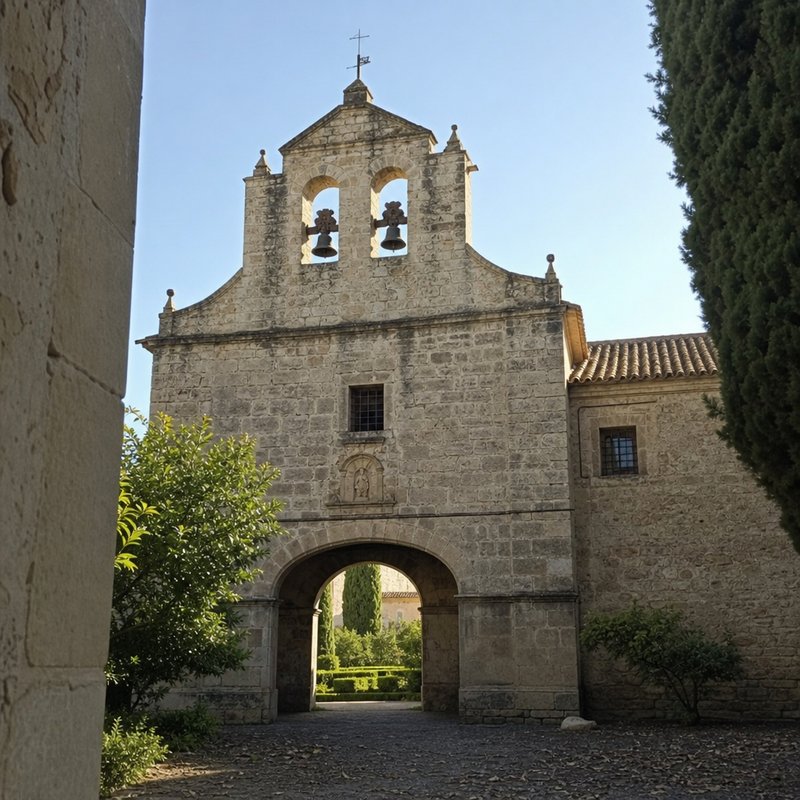
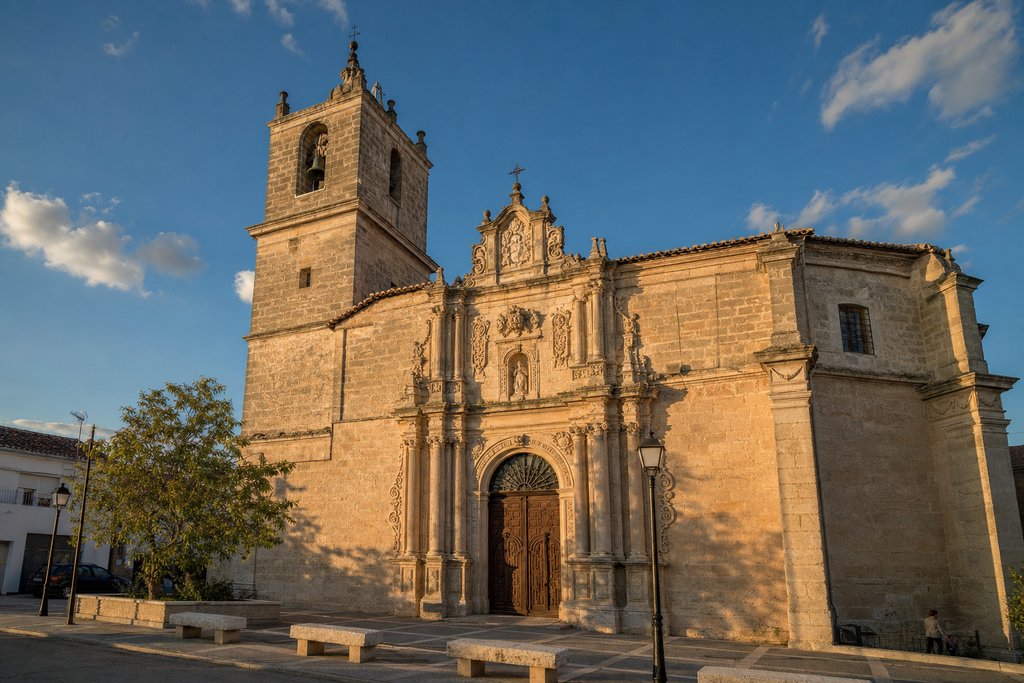
The Baroque bell tower and facade of Valdemoro's historic parish church

6 real sites, one Goya

What Valdemoro's old town is actually holding onto: a Goya church and a 1605 fountain

Not a museum town, and it doesn't pretend to be, but six real, independently verified historic sites, one of them holding a documented Francisco de Goya altarpiece work.

What to see in Valdemoro: a Goya church, a historic fountain, and more

What to see in Valdemoro, in short: six independently verified historic sites, none of them padded or invented, starting with a real correction the old site got wrong. If you only have an afternoon, this is what to see in Valdemoro without the padding.

A correction, up front: older photos of Valdemoro online (including on the site this page replaces) label the town's historic church "Nuestra Señora del Pilar." That's a mix-up: no church by that name has any independent record here. The real historic parish church, and the one holding the Goya work, is Nuestra Señora de la Asunción. The building called "del Pilar" is a real place, a modern church built in 2011 in a different neighborhood, just not the historic one. We're not repeating that mistake.

Iglesia de Nuestra Señora de la Asunción

Iglesia de Nuestra Señora de la Asunción

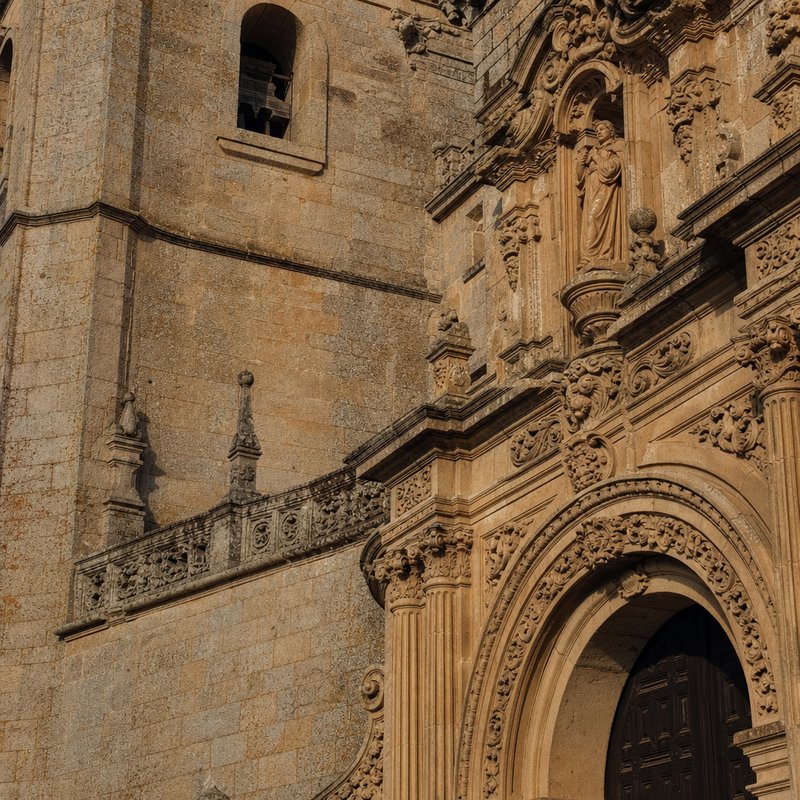
Valdemoro's Baroque parish church, built in the second half of the 17th century. Independent sources call it one of the most interesting religious buildings in the province of Madrid. Its main altarpiece includes paintings attributed to Francisco Bayeu, Ramón Bayeu, and, most notably, Francisco de Goya ("La aparición de la Virgen a San Julián"). A working 1737 organ inside is listed in Spain's General Inventory of State Movable Assets.

Read the full story
View on map
Convento de la Encarnación (Santa Clara)

Convento de la Encarnación (Santa Clara)

Commissioned by the Duke of Lerma, lord of Valdemoro from 1602–1625, to house Poor Clare nuns of his lineage. Inaugurated on 19 May 1616 with King Philip III himself in attendance. Its Latin-cross church holds a 17th-century altarpiece, and the building was declared a Cultural Heritage Asset (Bien de Interés Cultural) in 2016.

Read the full story
View on map
Ermita del Santísimo Cristo de la Salud

Ermita del Santísimo Cristo de la Salud

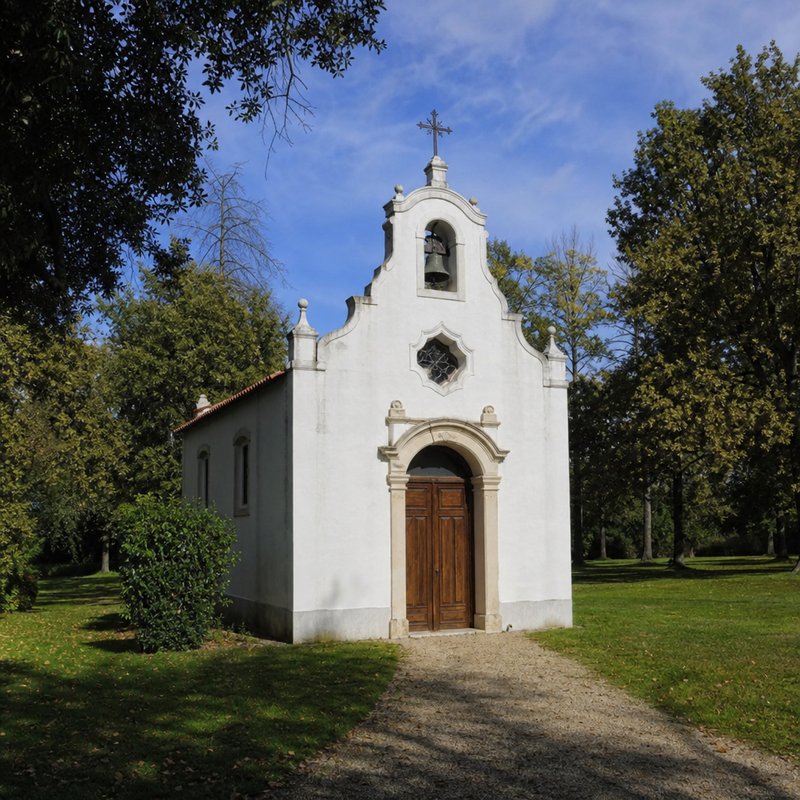
A hermitage on the town's north side, on the old Camino Real de Toledo. The current Baroque structure dates to the 18th century, likely built over an earlier 17th-century chapel. It's more than a quiet landmark: it's the namesake of Valdemoro's main annual festival, held every May.

Read the full story
View on map
Plaza de la Constitución

Plaza de la Constitución

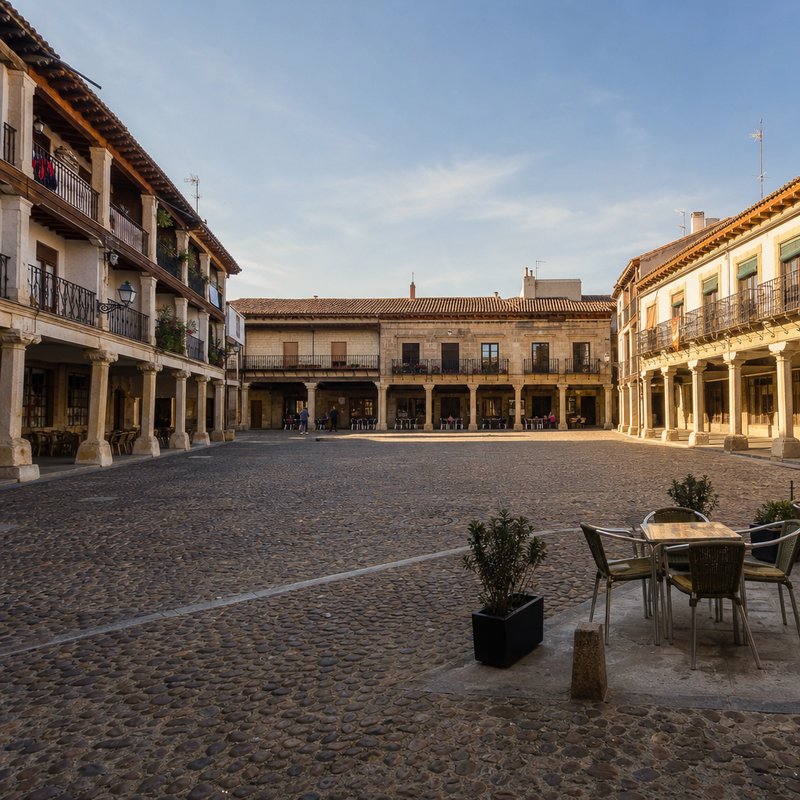
The historic centre's main square: rectangular, arcaded, with the balconies typical of Castilian town-square architecture. It's the civic and social heart of the old town, and the natural starting point for exploring on foot.

Read the full story
View on map
Fuente de la Villa y Lavadero

Fuente de la Villa y Lavadero

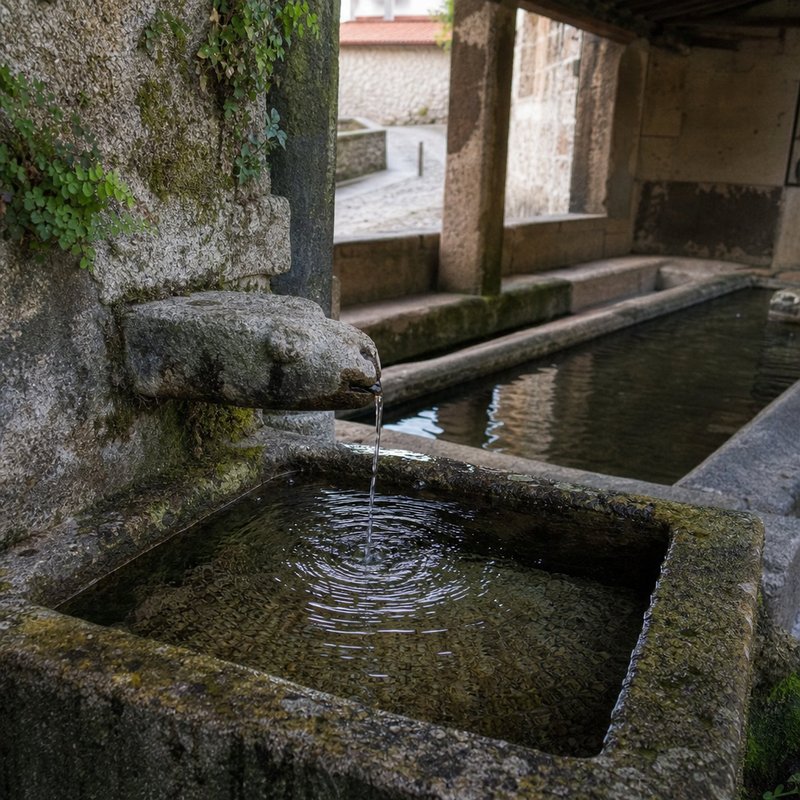
A public fountain and washhouse built from Colmenar stone in 1605, funded by municipal assets, originally used to water livestock brought to the town market. It's crowned by the oldest known carved representation of Valdemoro's own coat of arms, a genuine four-century link between an everyday piece of civic infrastructure and the town's identity.

Read the full story
View on map
Teatro Municipal Juan Prado

Teatro Municipal Juan Prado

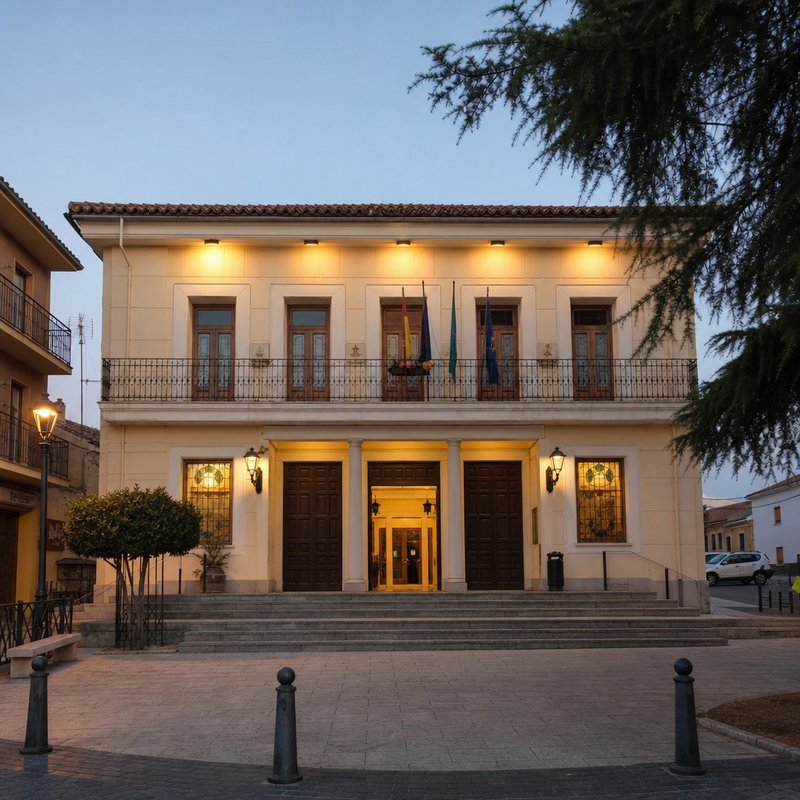
The town's active municipal theatre, right in the historic centre alongside the parish church and the fountain. A real, working cultural venue, worth checking for a current programme if you're in town in the evening.

Read the full story
View on map

Valdemoro's coat of arms: an azure shield with a gold castle, topped by a crown

The coat of arms, the name, and a national idiom

The escudo

Valdemoro's coat of arms has crowned the town's 1605 stone fountain for over four centuries, the oldest known carved version of the town's arms. Its blazon: an azure field (loyalty and sky), a golden castle with red windows and a gate (defense and fortification), a Moorish king chained by the neck to the castle wall (a reference to the town's own resistance legend), a gold border naming the town, and a royal crown on top marking allegiance to the Spanish Crown.

The flag and a freshly redesigned shield

Valdemoro's official flag is recent: approved by the regional government only in 2026, after a public process that ran roughly seven years. What's less obvious is that the coat of arms was updated at the same time: the 2026 approval covers both a new flag and a modernized version of the shield, explicitly based on the 1605 original rather than replacing it outright. Its white field is tied to the town's historic gypsum and plaster industry (a real local trade, not a decorative flourish). The green band carries a documented dual meaning: the area's agricultural heritage (olive and vine cultivation) and the Guardia Civil's link to the municipality dating to 1853. The crimson band marks Valdemoro's affiliation with the Community of Madrid.

A name with two explanations

Local legend holds that defenders once taunted attacking Moorish troops with "En balde, Moro, te cansas" ("Moor, you tire yourself in vain"), supposedly worn down over centuries into "Valdemoro." The more linguistically credible origin is simpler: "Valle del Moro," valley of the Moor. Both versions circulate locally; neither cancels the other out as a piece of town identity.

"Estar entre Pinto y Valdemoro"

Valdemoro is known across Spain through a national idiom, "to be between Pinto and Valdemoro," used to describe hesitation or being caught between two choices. Its exact origin is genuinely debated (accounts range from a folk tale about a traveler at the boundary between the two towns to theories tied to royal-era euphemism or shared vineyards), but the phrase itself is real and nationally understood. The physical link behind it is closer than most people realize: Pinto is literally the Cercanías C3 station immediately before Valdemoro heading out of Madrid, not a distant neighbor, but the very next stop.

Common questions

Is there a museum in Valdemoro?

No, we checked directly and found no museum in the town itself. If a museum visit matters to your trip, Aranjuez and Madrid (both easy day trips, see Nearby Day Trips) are the better bet. Valdemoro's strength is its historic buildings and heraldry, not a museum collection.

What is the main landmark in Valdemoro?

The Iglesia de Nuestra Señora de la Asunción, the town's Baroque parish church: its main altarpiece includes a documented work by Francisco de Goya alongside paintings by Francisco and Ramón Bayeu, plus a working 1737 organ.

How old is Valdemoro's coat of arms?

The design traces to at least 1605, when the oldest known carved version was placed atop the town's Fuente de la Villa. The shield itself was formally redesigned and re-approved alongside a new official flag in 2026, modernized but explicitly based on the 1605 original.

Why is Valdemoro associated with Pinto?

Beyond the shared border, Pinto is literally the Cercanías C3 station immediately before Valdemoro heading out of Madrid, a real, physical link behind the national idiom "estar entre Pinto y Valdemoro."