
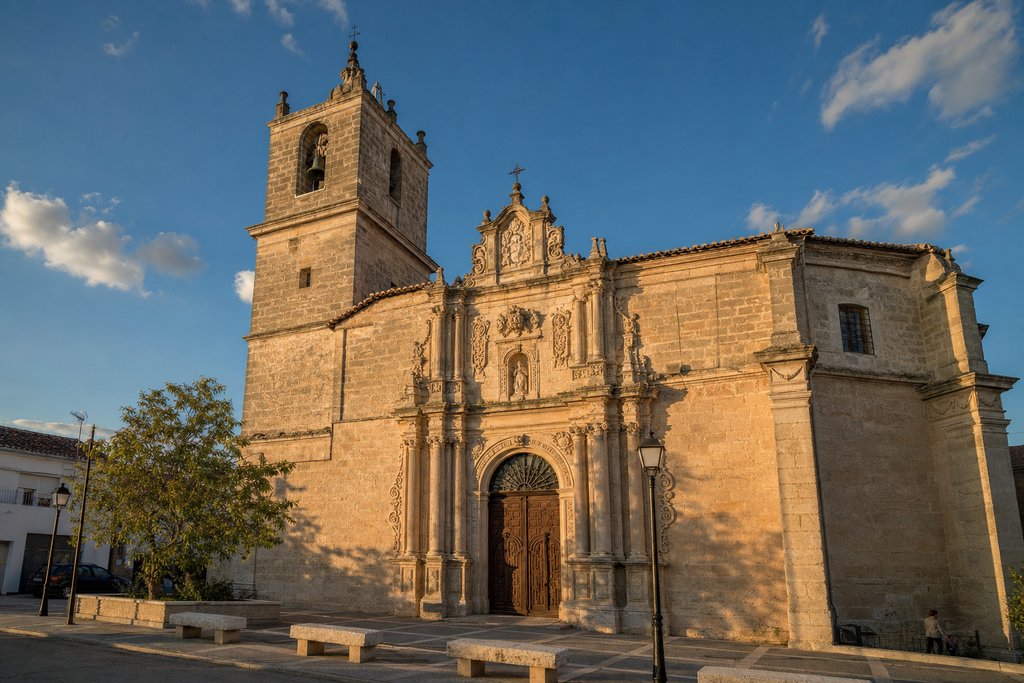
Valdemoro's Baroque parish church
Iglesia de Nuestra Señora de la Asunción
A real, documented Francisco de Goya altarpiece painting in a small-town parish church, not a claim we're stretching, and not the same building as the modern church that shows up in older photos of Valdemoro.
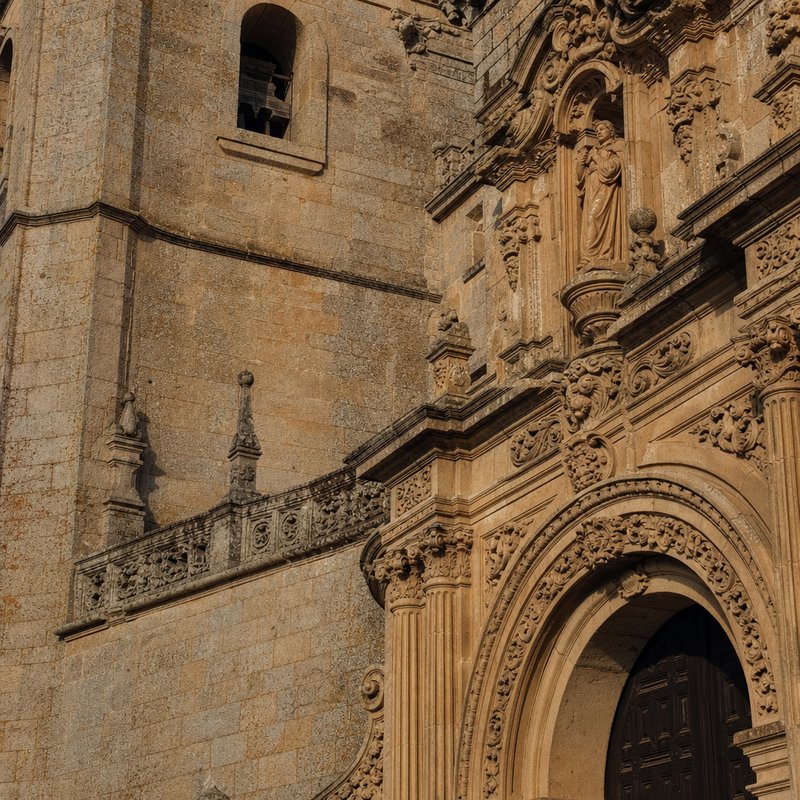
A Baroque church built in stages
The church dates to the second half of the 17th century, though (like most churches of its age) it was built and modified across more than a century: independent sources describe 17th–18th century construction phases, with the bell tower specifically completed in 1764. It follows a Latin-cross plan with a nave roughly 60 metres long, and independent regional-heritage sources describe it as one of the more architecturally significant religious buildings in the province of Madrid.
It stands on Plaza Nuestra Señora del Rosario, in the historic centre, an easy walk from the Plaza de la Constitución, the Fuente de la Villa, and the other heritage sites covered on this site.
The Goya altarpiece
The main altarpiece is the church's real claim to fame: it includes a documented painting by Francisco de Goya, "La aparición de la Virgen a San Julián" ("The Apparition of the Virgin to Saint Julian"), painted in 1786–87. It hangs alongside contemporary works by Francisco Bayeu (1790) and Ramón Bayeu (1788–89), Goya's own brothers-in-law, both established court painters in their own right. A small-town parish church holding a genuine Goya work, painted during the artist's most productive period at the Spanish court, is a rare and specific claim, not the kind of vague "attributed to the school of" language that shows up when a fact is being stretched.
The church also holds a working 1737 organ, formally listed in Spain's General Inventory of State Movable Assets (Inventario General de Bienes Muebles), a real, catalogued piece of ecclesiastical heritage, not just an old instrument left in a corner.
Not the church in the old photos
Worth stating plainly: the site this page replaces featured a photo of a church it labeled "Parroquia Nuestra Señora del Pilar." That's a real building, but it's a modern church, inaugurated in 2011 in the El Restón neighborhood, built in a Neocatechumenal Way architectural style. It is not historic, and it is not this church. Nuestra Señora de la Asunción, the building on this page, is the actual centuries-old parish church holding the Goya work. We're correcting that mix-up here rather than repeating it: see Landmarks & Heritage for the full context and the town's other real historic sites.
Visiting
As an active parish church, access is most likely governed by Mass times rather than fixed visitor hours. We couldn't independently confirm published tourist visiting hours, so we're not going to invent a schedule. If seeing the altarpiece specifically is a priority for your trip, confirm current access directly before you go rather than relying on any secondhand listing, including this one.
Find it on the map
Common questions
Is the church in Valdemoro really by Goya?
The building itself isn't a Goya work: it's a 17th-century Baroque parish church. But its main altarpiece includes a real, documented painting by Francisco de Goya, "La aparición de la Virgen a San Julián" (1786–87), alongside works by Francisco Bayeu and Ramón Bayeu from the same period.
Is this the same church shown on the old valde-moro.com site?
No. The old site featured a building it labeled "Nuestra Señora del Pilar," a real place, but a modern church built in 2011, not this one. Nuestra Señora de la Asunción is the actual historic parish church.
Can visitors see the Goya altarpiece?
We couldn't independently confirm public visiting hours for the church interior: as an active parish church, access is most likely tied to Mass times rather than fixed tourist hours. Confirm locally before planning a visit specifically to see the altarpiece.